Read Time:1 Minute
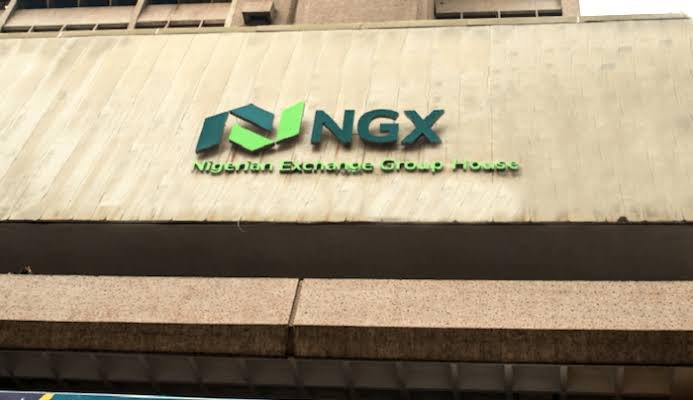
The Africa Finance Corporation and the Nigerian Exchange have begun a joint effort to design innovative financing mechanisms aimed at addressing Nigeria’s widening infrastructure deficit. The initiative seeks to leverage capital market instruments to attract long-term investment into priority sectors.
Officials from both institutions said the partnership will focus on developing products that can mobilize domestic and international capital at scale. These include infrastructure bonds, listed project vehicles, and de-risked financial structures capable of appealing to pension funds, sovereign wealth funds, and institutional investors.
Nigeria’s infrastructure gap runs into tens of billions of dollars, spanning critical areas such as transportation, power, housing, water supply, and industrial development. Analysts note that existing public funding is insufficient, making private capital essential for achieving sustained growth and economic competitiveness.
The AFC, known for its track record in project structuring and financing across Africa, will provide technical expertise and investment frameworks. The NGX will anchor the capital market component, enabling transparent listings, investor participation, and regulatory oversight needed for large-scale fund mobilization.
Market observers say the collaboration has the potential to deepen Nigeria’s financial markets by expanding infrastructure-focused asset classes. They believe these instruments could reduce the fiscal pressure on government while boosting investor confidence in long-term national development projects.
Stakeholders at the meeting emphasized the need for strong governance, project quality, and risk mitigation strategies to ensure successful implementation. They also highlighted the importance of aligning financing structures with Nigeria’s broader economic reform agenda.
As discussions continue, industry players are optimistic that the AFC-NGX partnership could mark a turning point in the country’s infrastructure financing model, shifting from dependence on public borrowing to sustainable, market-driven capital flows.
Officials from both institutions said the partnership will focus on developing products that can mobilize domestic and international capital at scale. These include infrastructure bonds, listed project vehicles, and de-risked financial structures capable of appealing to pension funds, sovereign wealth funds, and institutional investors.
Nigeria’s infrastructure gap runs into tens of billions of dollars, spanning critical areas such as transportation, power, housing, water supply, and industrial development. Analysts note that existing public funding is insufficient, making private capital essential for achieving sustained growth and economic competitiveness.
The AFC, known for its track record in project structuring and financing across Africa, will provide technical expertise and investment frameworks. The NGX will anchor the capital market component, enabling transparent listings, investor participation, and regulatory oversight needed for large-scale fund mobilization.
Market observers say the collaboration has the potential to deepen Nigeria’s financial markets by expanding infrastructure-focused asset classes. They believe these instruments could reduce the fiscal pressure on government while boosting investor confidence in long-term national development projects.
Stakeholders at the meeting emphasized the need for strong governance, project quality, and risk mitigation strategies to ensure successful implementation. They also highlighted the importance of aligning financing structures with Nigeria’s broader economic reform agenda.
As discussions continue, industry players are optimistic that the AFC-NGX partnership could mark a turning point in the country’s infrastructure financing model, shifting from dependence on public borrowing to sustainable, market-driven capital flows.