Read Time:1 Minute
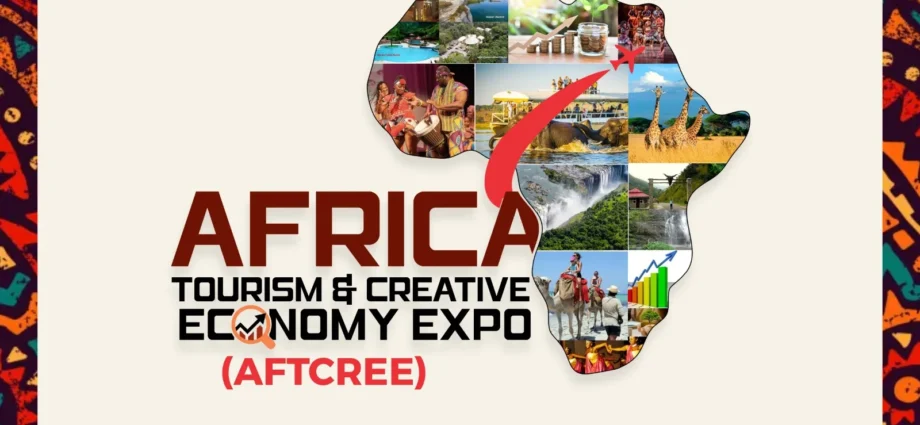
African leaders, tourism experts, industry regulators, and creatives have converged in Abuja for AFTCREE 2025, a major continental summit aimed at accelerating growth across Africa’s tourism and creative economy sectors.
Organizers said the event was designed to strengthen policy alignment, attract investment, and support the continent’s drive to unlock new economic opportunities. Delegates from across Africa and beyond are assessing how the continent can harness its cultural diversity, natural attractions, and creative talent to boost economic resilience.
The tourism sector, which suffered severe disruptions in recent years, is now experiencing gradual recovery. Experts at the summit highlighted the need for improved infrastructure, stable travel regulations, and stronger digital ecosystems to support sustainable tourism development. They also emphasized community-based tourism models that ensure local participation and revenue distribution.
AFTCREE 2025 also placed significant focus on the creative economy, which includes film, fashion, gaming, music, design, literature, and digital arts. Industry leaders argued that creative industries remain one of Africa’s most promising sectors due to strong youth population growth and global demand for African content. However, they noted that lack of funding, weak distribution systems, and limited intellectual property protections continue to hinder growth.
Several panel sessions explored how technology, digital payments, and cross-border collaboration can enable creatives to scale their work across African markets. Startup founders and innovators presented solutions aimed at improving digital access, creator monetization, and regional content circulation.
Government representatives from multiple countries reaffirmed commitments to policy reforms that support job creation, film production hubs, tourism infrastructure, and creative clusters. They stressed the importance of coordinated regulation to attract private sector investment and increase Africa’s competitiveness in global tourism and entertainment markets.
Investors attending the summit said AFTCREE 2025 offers a rare opportunity to connect business interests with cultural value. They noted rising interest in African destinations and creative products, driven by global streaming platforms, digital storytelling, and diaspora engagement.
As the event continues, participants hope the discussions will translate into actionable frameworks capable of driving long-term growth. Stakeholders say the success of AFTCREE 2025 will depend on sustained collaboration among governments, industry players, investors, and local communities.
Organizers said the event was designed to strengthen policy alignment, attract investment, and support the continent’s drive to unlock new economic opportunities. Delegates from across Africa and beyond are assessing how the continent can harness its cultural diversity, natural attractions, and creative talent to boost economic resilience.
The tourism sector, which suffered severe disruptions in recent years, is now experiencing gradual recovery. Experts at the summit highlighted the need for improved infrastructure, stable travel regulations, and stronger digital ecosystems to support sustainable tourism development. They also emphasized community-based tourism models that ensure local participation and revenue distribution.
AFTCREE 2025 also placed significant focus on the creative economy, which includes film, fashion, gaming, music, design, literature, and digital arts. Industry leaders argued that creative industries remain one of Africa’s most promising sectors due to strong youth population growth and global demand for African content. However, they noted that lack of funding, weak distribution systems, and limited intellectual property protections continue to hinder growth.
Several panel sessions explored how technology, digital payments, and cross-border collaboration can enable creatives to scale their work across African markets. Startup founders and innovators presented solutions aimed at improving digital access, creator monetization, and regional content circulation.
Government representatives from multiple countries reaffirmed commitments to policy reforms that support job creation, film production hubs, tourism infrastructure, and creative clusters. They stressed the importance of coordinated regulation to attract private sector investment and increase Africa’s competitiveness in global tourism and entertainment markets.
Investors attending the summit said AFTCREE 2025 offers a rare opportunity to connect business interests with cultural value. They noted rising interest in African destinations and creative products, driven by global streaming platforms, digital storytelling, and diaspora engagement.
As the event continues, participants hope the discussions will translate into actionable frameworks capable of driving long-term growth. Stakeholders say the success of AFTCREE 2025 will depend on sustained collaboration among governments, industry players, investors, and local communities.