Read Time:1 Minute
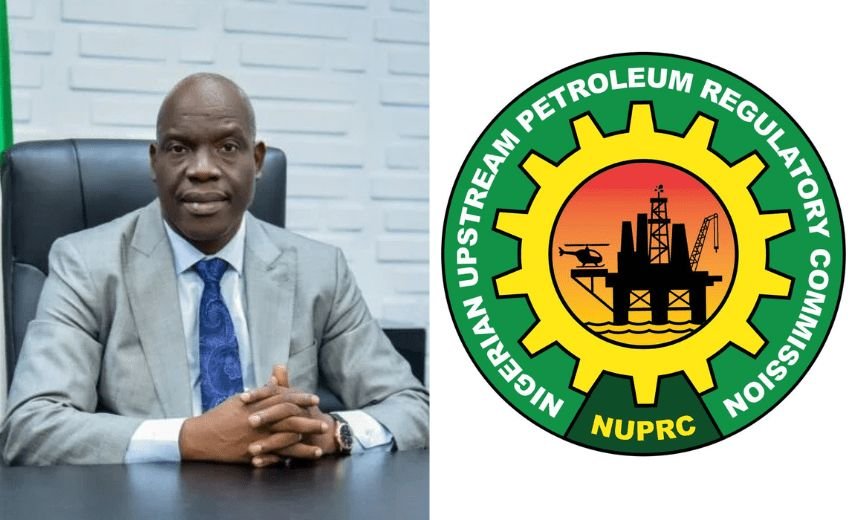
The Centre for Media and Social Rights has commended the Nigerian Upstream Petroleum Regulatory Commission and its chief executive, Gbenga Komolafe, for what it described as transformative reforms aimed at strengthening Nigeria’s oil and gas industry.
In a statement, the group said the NUPRC’s recent regulatory changes have improved transparency, streamlined licensing processes, and created a more predictable operating environment for investors. CEMSR noted that the commission’s leadership has restored confidence in the upstream segment by prioritizing data integrity, compliance enforcement, and stricter oversight.
The organization highlighted the commission’s efforts to implement clearer governance systems that align with global best practices. These reforms, it said, have contributed to a more stable investment climate, encouraging both local and international players to reassess their involvement in Nigeria’s oil sector.
CEMSR also acknowledged the Commission’s progress in strengthening accountability mechanisms. It pointed to improvements in reporting standards, field development oversight, and environmental compliance as evidence of a more disciplined regulatory approach.
Industry analysts say these steps are crucial as Nigeria works to address production challenges and attract new capital to the sector. They argue that consistent and transparent regulation remains essential for boosting output, expanding exploration activity, and positioning Nigeria competitively within the global energy market.
The group encouraged the commission to sustain the pace of reform, noting that long-term industry stability will depend on continuous engagement with stakeholders and effective policy execution.
As the sector adapts to shifting global energy trends and investment dynamics, observers say the NUPRC’s regulatory approach will play a defining role in shaping Nigeria’s upstream future.
In a statement, the group said the NUPRC’s recent regulatory changes have improved transparency, streamlined licensing processes, and created a more predictable operating environment for investors. CEMSR noted that the commission’s leadership has restored confidence in the upstream segment by prioritizing data integrity, compliance enforcement, and stricter oversight.
The organization highlighted the commission’s efforts to implement clearer governance systems that align with global best practices. These reforms, it said, have contributed to a more stable investment climate, encouraging both local and international players to reassess their involvement in Nigeria’s oil sector.
CEMSR also acknowledged the Commission’s progress in strengthening accountability mechanisms. It pointed to improvements in reporting standards, field development oversight, and environmental compliance as evidence of a more disciplined regulatory approach.
Industry analysts say these steps are crucial as Nigeria works to address production challenges and attract new capital to the sector. They argue that consistent and transparent regulation remains essential for boosting output, expanding exploration activity, and positioning Nigeria competitively within the global energy market.
The group encouraged the commission to sustain the pace of reform, noting that long-term industry stability will depend on continuous engagement with stakeholders and effective policy execution.
As the sector adapts to shifting global energy trends and investment dynamics, observers say the NUPRC’s regulatory approach will play a defining role in shaping Nigeria’s upstream future.