Read Time:1 Minute
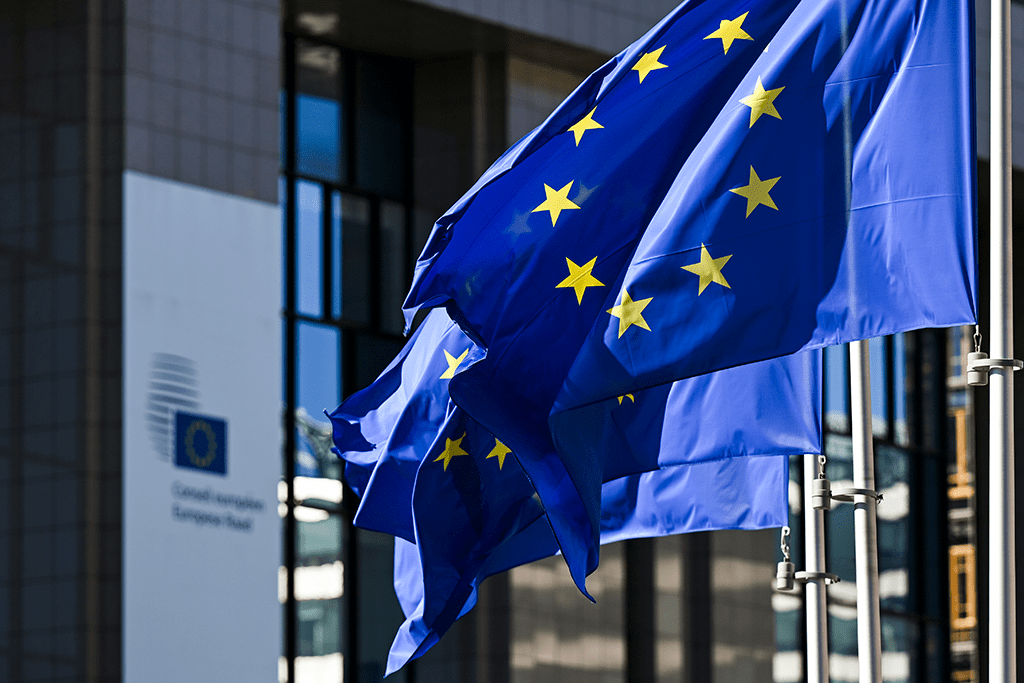
The European Union (EU) has launched a €100 million energy sector programme designed to generate an additional 400 megawatts of renewable capacity across Africa, reinforcing its commitment to sustainable energy development and climate action.
According to EU officials, the initiative will prioritize investment in solar, wind, and hydropower projects, targeting countries with significant renewable potential such as Nigeria, Kenya, Ghana, and Senegal. The programme is part of the EU’s broader Global Gateway framework, which seeks to mobilize sustainable infrastructure funding across developing regions.
The €100 million fund will focus on both on-grid and off-grid solutions, ensuring that rural communities gain better access to affordable, clean energy. EU representatives said the new projects will support job creation, strengthen local supply chains, and enhance regional energy security.
This effort also supports Africa’s climate commitments under the Paris Agreement and the African Union’s Agenda 2063, which prioritize green growth and reduced dependency on fossil fuels. In addition, it aims to reduce carbon emissions by promoting technology transfer and public-private partnerships.
Energy experts note that Africa holds vast untapped renewable potential but continues to face barriers such as financing gaps, weak infrastructure, and inconsistent regulatory frameworks. They believe the EU’s targeted approach could help unlock long-term value if implementation is transparent and locally driven.
The European Commission has stated that collaboration with African governments and development finance institutions will be central to ensuring measurable outcomes. Monitoring and accountability frameworks are being developed to track progress in generation capacity, grid connectivity, and community impact.
If successful, the programme could serve as a model for future EU-Africa cooperation on climate-smart infrastructure and sustainable development financing.
According to EU officials, the initiative will prioritize investment in solar, wind, and hydropower projects, targeting countries with significant renewable potential such as Nigeria, Kenya, Ghana, and Senegal. The programme is part of the EU’s broader Global Gateway framework, which seeks to mobilize sustainable infrastructure funding across developing regions.
The €100 million fund will focus on both on-grid and off-grid solutions, ensuring that rural communities gain better access to affordable, clean energy. EU representatives said the new projects will support job creation, strengthen local supply chains, and enhance regional energy security.
This effort also supports Africa’s climate commitments under the Paris Agreement and the African Union’s Agenda 2063, which prioritize green growth and reduced dependency on fossil fuels. In addition, it aims to reduce carbon emissions by promoting technology transfer and public-private partnerships.
Energy experts note that Africa holds vast untapped renewable potential but continues to face barriers such as financing gaps, weak infrastructure, and inconsistent regulatory frameworks. They believe the EU’s targeted approach could help unlock long-term value if implementation is transparent and locally driven.
The European Commission has stated that collaboration with African governments and development finance institutions will be central to ensuring measurable outcomes. Monitoring and accountability frameworks are being developed to track progress in generation capacity, grid connectivity, and community impact.
If successful, the programme could serve as a model for future EU-Africa cooperation on climate-smart infrastructure and sustainable development financing.