Stocks experienced modest gains, and traders remained cautious on Tuesday, following a decline in cryptocurrencies and a global bond selloff caused by an anticipated interest rate hike in Japan. S&P 500 futures were steady after declines on Wall Street the previous night, while Japanese government bonds stabilized somewhat after a strong auction of JGBs, which followed a weeks-long decline due to concerns about the country’s fiscal outlook.
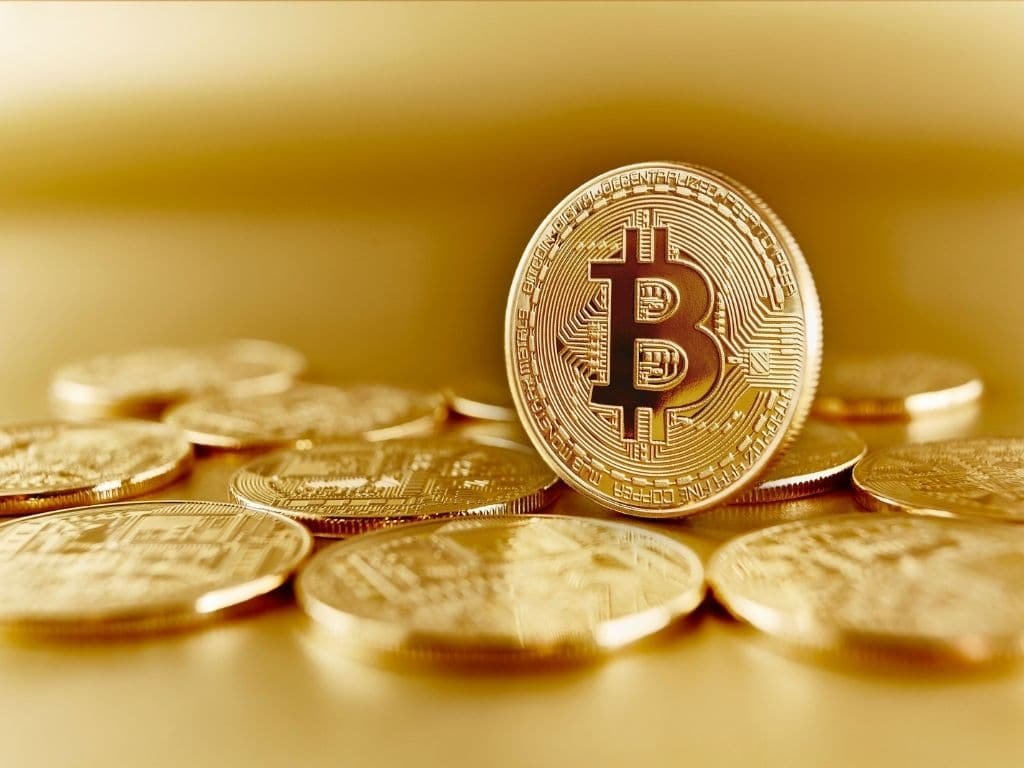
Ten-year JGB yields reached a 17-year high of 1.88%, with 30-year yields hitting an all-time peak. After the auction results, the 10-year yield dipped slightly by 1 basis point to 1.865%. Bitcoin, often viewed as a sentiment indicator, bounced back after a concerning 5.2% drop on Monday. Currently priced at $87,000, it is down 30% from its peak in October. Jehan Chu, founder of blockchain venture capital firm Kenetic Capital, stated, “The mood in cryptocurrencies is fluctuating between fearful and resigned,” noting that the latest decline surprised many investors. He added, “The next couple of months are crucial, but even the most optimistic may be settling in for a winter hibernation.” MSCI’s broadest index of Asia-Pacific shares outside Japan rose by 0.3%, while Tokyo’s Nikkei index crept up by 0.1% after a sharp drop on Monday.
South Korea’s Kospi led regional share gains, rising by 1.6%, whereas China’s blue-chip CSI300 index was down by 0.8%. **Japan to Hike, Fed to Cut** Expectations that Japan will increase interest rates later this month surged following Bank of Japan Governor Kazuo Ueda’s comments that hinted at tightening policy.
Consequently, ten-year JGB yields rose by six basis points, and traders reacted by selling global bonds, pushing ten-year Treasury yields up by 7.7 basis points to 4.096%. The yield later retreated to 4.087% during Asian trading. Bitcoin rallied by 0.6% to $86,965.30, while ether increased by 0.3% to $2,800.42. The yen gained strength, performing well in foreign exchange markets over the past 24 hours and holding steady at 155.64 per dollar on Tuesday.
This movement briefly lifted the euro above $1.165 and left the dollar weaker overall, trading at $1.161 against the euro as markets awaited eurozone inflation data later in the session. The S&P 500 fell by more than half a percent, while the Nasdaq dropped by over a third of a percent. Some investors are beginning to anticipate a more sustained decline for the dollar as the U.S. prepares for further interest rate cuts. Data released on Monday supported expectations for a December rate cut by the Federal Reserve, with manufacturing contracting for the ninth consecutive month in November.
However, consumer spending exceeded analyst predictions with a $23.6 billion online shopping surge to kick off the holiday season. Deutsche Bank strategist Tim Baker observed, “The U.S. data remains decent enough, but the rest of the world is on firmer footing.” He believes there is a possibility for the dollar to fall as the year closes, noting, “December has historically been the worst month for the dollar over the past decade—it has dropped 80% of the time, with a median decline of over 1%.” Gold maintained its recent gains, trading just above $4,200 an ounce. Oil prices also increased in response to drone attacks on Russian supply, with Brent crude futures holding steady at $63.17 a barrel on Tuesday.