Read Time:1 Minute
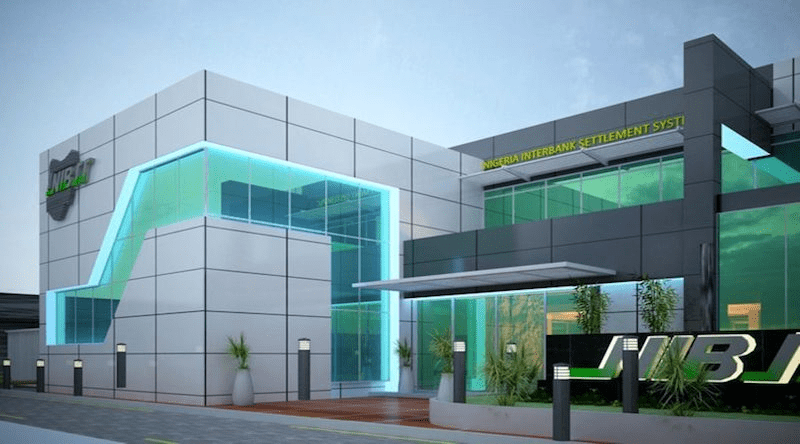
The Nigeria Inter-Bank Settlement System (NIBSS) executed the first live transaction on its newly unveiled National Payment Stack (NPS) in Lagos on June 17–18 2025, marking the start of a modernised digital payment infrastructure designed to support real-time and cross-border payments.
The NPS replaces the older NIBSS Instant Payments (NIP) system and is built on ISO 20022 messaging standard, enabling richer data, faster settlement, greater interoperability and stronger fraud controls.
It supports both single and bulk payments on a unified rail, integrates with national identity databases like BVN and RC/TIN, and offers sandbox APIs for banks, fintechs and other players to connect rapidly.
The launch event in Lagos brought together senior officials from banks, fintechs, government agencies and over 20 African central banks. NIBSS Managing Director Premier Oiwoh described the NPS as laying “the foundation for Nigeria’s financial future.”
This first transaction is symbolic—showing that the platform is now live and ready to support the growing scale of digital payments in Nigeria’s economy, which is targeted to become a US$1 trillion economy in the coming years.
For consumers and businesses this means payments will be faster, settlement will be nearly instantaneous, and reconciliation, dispute-handling and screening will be far more efficient. The unified platform promises to bring down cost, increase trust and unlock new financial services.
Financial inclusion is a key intention: by lowering the barrier and improving infrastructure, the NPS aims to bring under-banked and informal segments of Nigeria’s economy into the digital fold.
However, the real test now lies in rollout and adoption—banks, fintechs, telcos and government agencies must integrate their systems into the new rail, and trust must build in the ecosystem that the system is robust, secure and inclusive.
Experts say that if Nigeria can scale this platform effectively, it will not only transform internal payments but could become a hub for cross-border African payment flows, aligning with the Pan‑African Payment and Settlement System vision.
The NPS replaces the older NIBSS Instant Payments (NIP) system and is built on ISO 20022 messaging standard, enabling richer data, faster settlement, greater interoperability and stronger fraud controls.
It supports both single and bulk payments on a unified rail, integrates with national identity databases like BVN and RC/TIN, and offers sandbox APIs for banks, fintechs and other players to connect rapidly.
The launch event in Lagos brought together senior officials from banks, fintechs, government agencies and over 20 African central banks. NIBSS Managing Director Premier Oiwoh described the NPS as laying “the foundation for Nigeria’s financial future.”
This first transaction is symbolic—showing that the platform is now live and ready to support the growing scale of digital payments in Nigeria’s economy, which is targeted to become a US$1 trillion economy in the coming years.
For consumers and businesses this means payments will be faster, settlement will be nearly instantaneous, and reconciliation, dispute-handling and screening will be far more efficient. The unified platform promises to bring down cost, increase trust and unlock new financial services.
Financial inclusion is a key intention: by lowering the barrier and improving infrastructure, the NPS aims to bring under-banked and informal segments of Nigeria’s economy into the digital fold.
However, the real test now lies in rollout and adoption—banks, fintechs, telcos and government agencies must integrate their systems into the new rail, and trust must build in the ecosystem that the system is robust, secure and inclusive.
Experts say that if Nigeria can scale this platform effectively, it will not only transform internal payments but could become a hub for cross-border African payment flows, aligning with the Pan‑African Payment and Settlement System vision.