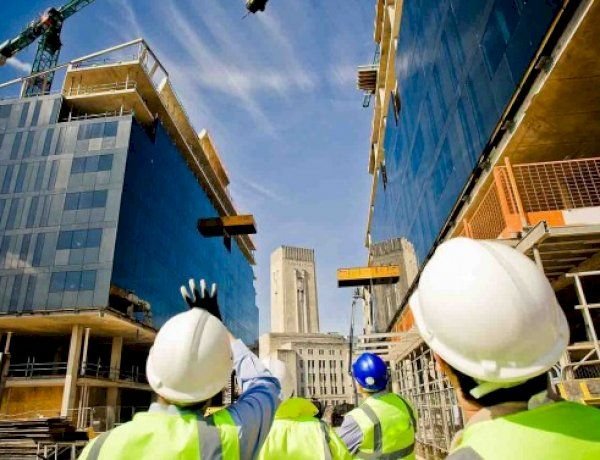
Nigeria has emerged as Africa’s leading construction market, driven by rapid urbanisation and population growth that is reshaping its cities. According to new industry data, the sector is now valued at over $120 billion, placing Nigeria ahead of South Africa, Egypt, and Kenya in scale and investment.
The boom is visible in Lagos, where high-rise residential towers and mixed-use developments are transforming the skyline, and in Abuja, where sprawling estates continue to rise to meet housing demand. Major infrastructure projects such as the Lagos–Calabar Coastal Highway, new rail links, and airport upgrades are also feeding into the surge.
Analysts say urbanisation is the core driver, with Nigeria’s cities expanding at one of the fastest rates in the world. By 2050, Lagos is projected to be among the world’s top five largest cities, pushing demand for housing, roads, energy, and public services. This demand has attracted both local developers and foreign investors, particularly from China and the Middle East.
However, the sector faces headwinds. Rising costs of building materials, foreign exchange volatility, and regulatory hurdles pose challenges to timely delivery. Industry leaders warn that without reforms to improve access to financing and reduce bottlenecks, the construction wave could slow.
Still, the long-term outlook remains strong. With a young and growing population and billions earmarked for infrastructure, Nigeria’s construction industry is positioned as a central pillar of the country’s economic future.