Read Time:1 Minute
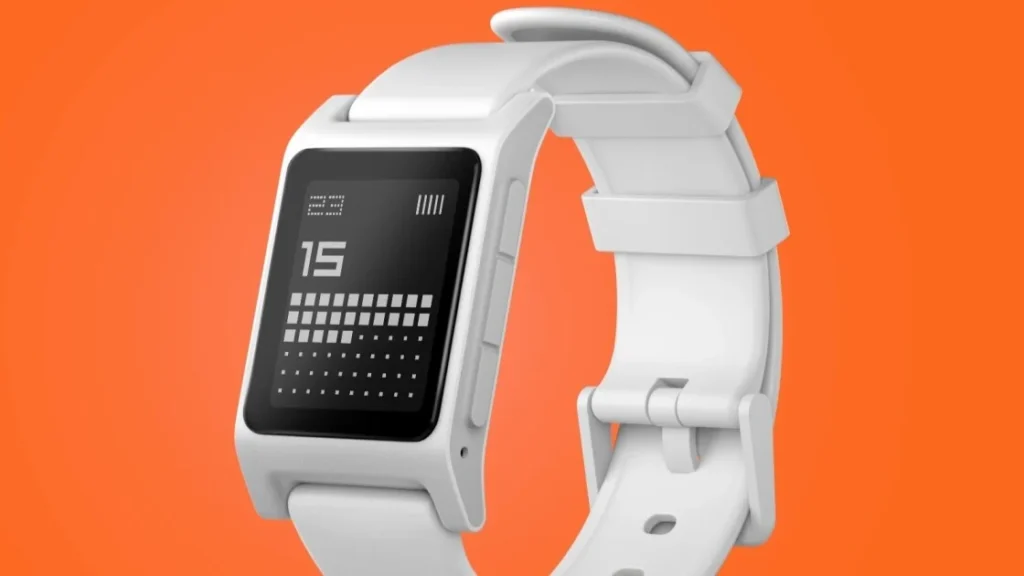
Pebble’s comeback story is gaining new life as its companion apps for iPhone and Android have officially relaunched, restoring functionality to the once-defunct smartwatch brand beloved by early tech adopters.
The move comes nearly a decade after Pebble’s groundbreaking smartwatch line was discontinued following Fitbit’s acquisition in 2016. Now, with revived apps available on both major mobile platforms, Pebble users can once again sync notifications, customize watchfaces, and access community-driven updates.
The relaunch was spearheaded by a dedicated group of independent developers and enthusiasts under the “Rebble” project, who have worked since 2018 to keep Pebble’s ecosystem alive. Their goal: to ensure that the original devices remain usable long after official support ended.
According to project maintainers, the restored iOS and Android apps have been rebuilt to function independently of Fitbit’s discontinued servers, giving users back full control of their devices. Features like weather updates, health tracking, and app installation have been re-enabled, breathing new life into aging Pebble models.
Pebble’s resurgence taps into a broader nostalgia trend across tech, where older devices find renewed value through open-source communities. Many users cite Pebble’s simple design, long battery life, and lightweight interface as advantages over modern wearables overloaded with features.
Industry analysts say the revival highlights growing demand for sustainable tech—where longevity and user control matter as much as innovation. It also raises questions about the future of wearables: can small, community-led projects coexist alongside corporate ecosystems like Apple’s and Samsung’s?
While the Pebble brand itself isn’t officially returning as a company, the revived apps signal a meaningful continuation of its legacy. For thousands of users worldwide, it’s not just a comeback—it’s proof that tech built with passion can outlast corporate shutdowns.
The move comes nearly a decade after Pebble’s groundbreaking smartwatch line was discontinued following Fitbit’s acquisition in 2016. Now, with revived apps available on both major mobile platforms, Pebble users can once again sync notifications, customize watchfaces, and access community-driven updates.
The relaunch was spearheaded by a dedicated group of independent developers and enthusiasts under the “Rebble” project, who have worked since 2018 to keep Pebble’s ecosystem alive. Their goal: to ensure that the original devices remain usable long after official support ended.
According to project maintainers, the restored iOS and Android apps have been rebuilt to function independently of Fitbit’s discontinued servers, giving users back full control of their devices. Features like weather updates, health tracking, and app installation have been re-enabled, breathing new life into aging Pebble models.
Pebble’s resurgence taps into a broader nostalgia trend across tech, where older devices find renewed value through open-source communities. Many users cite Pebble’s simple design, long battery life, and lightweight interface as advantages over modern wearables overloaded with features.
Industry analysts say the revival highlights growing demand for sustainable tech—where longevity and user control matter as much as innovation. It also raises questions about the future of wearables: can small, community-led projects coexist alongside corporate ecosystems like Apple’s and Samsung’s?
While the Pebble brand itself isn’t officially returning as a company, the revived apps signal a meaningful continuation of its legacy. For thousands of users worldwide, it’s not just a comeback—it’s proof that tech built with passion can outlast corporate shutdowns.