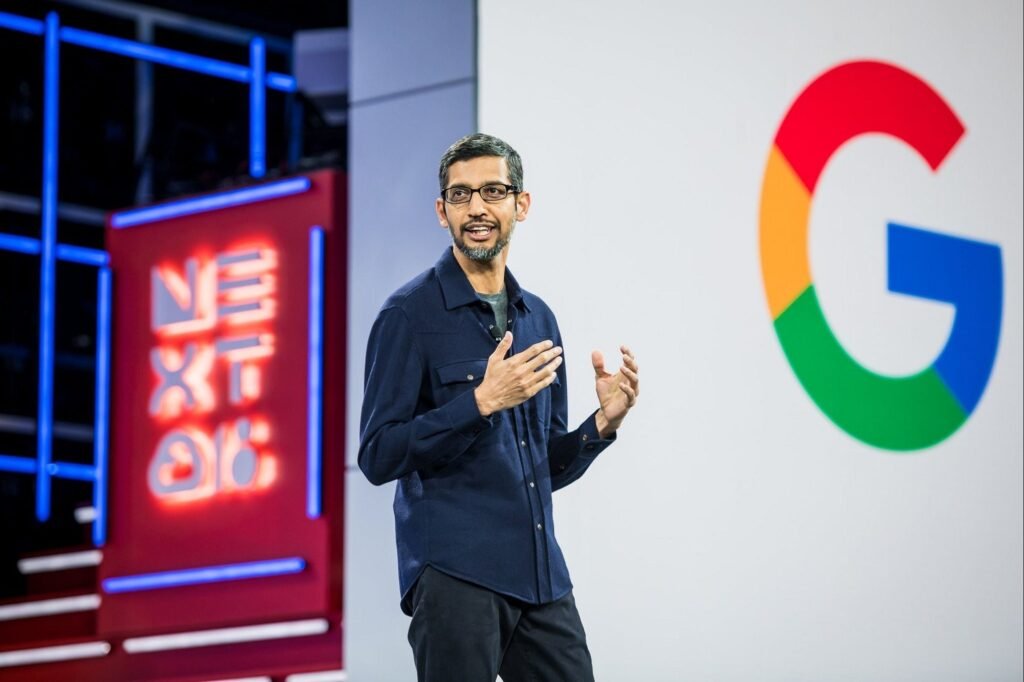
Google CEO Sundar Pichai says “vibe coding,” an emerging AI-driven approach to software creation, is reshaping how developers build, test, and launch applications. He explained that the method allows programmers to describe ideas in natural language and let AI generate functional code aligned with the desired outcome.
Pichai noted that vibe coding is accelerating development cycles by reducing the need for manual scripting. Instead of writing every line of code, developers can guide models with intent, style, constraints, and end-goals. Google has been integrating this approach into its AI tools, giving teams the ability to move from prototypes to deployable apps in significantly less time.
Industry observers say the shift reflects a broader trend in AI-assisted engineering. As models become better at understanding context and structure, developers are relying on them for architecture decisions, debugging support, and optimization tasks. This is expected to redefine collaboration inside engineering teams and streamline product roadmaps.
Supporters argue that vibe coding could lower barriers for new creators, allowing individuals with limited technical training to contribute to software development. However, experts also warn that the approach will require new safety controls, oversight mechanisms, and training frameworks to maintain code quality and prevent misuse.
Despite these concerns, Pichai emphasized that AI-assisted development is becoming central to Google’s long-term engineering strategy. He said the company will continue refining tools that blend creativity, reasoning, and code execution to help developers push the boundaries of what software can do.
As adoption grows, vibe coding could become a defining element of the next era of app development, influencing startups, global enterprises, and individual creators.