Read Time:1 Minute
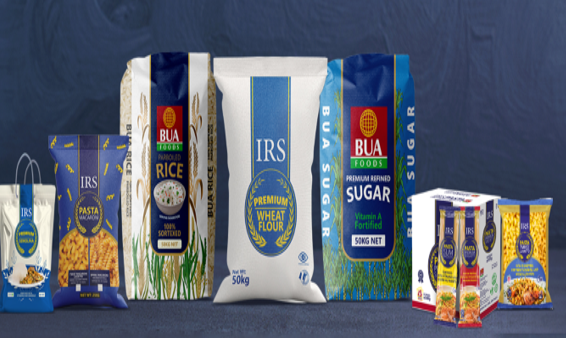
BUA Foods Plc has announced a 101% increase in profit after tax (PAT), reaching N405.27 billion for its most recent financial year, underscoring a major leap in operational efficiency and market growth.
According to the company’s financial statement released this week, the significant rise in profit was driven by strong revenue growth, production efficiency, and strategic cost management across its core segments. The results highlight BUA Foods’ resilience and strategic positioning in Nigeria’s competitive food and beverage market.
The company, which operates in sugar refining, flour milling, pasta production, and rice processing, said improved capacity utilization and enhanced distribution channels contributed to the impressive earnings. Revenue growth was also boosted by higher sales volumes and steady consumer demand despite inflationary pressures.
BUA Foods’ management attributed the strong performance to a combination of innovation, supply chain optimization, and sustained investments in local manufacturing. The group continues to prioritize sustainability initiatives aimed at reducing operational costs while ensuring product affordability for consumers.
Industry analysts view this development as a reflection of BUA Foods’ ability to scale profitably amid Nigeria’s challenging macroeconomic climate. The FMCG sector has been particularly hit by rising input costs and foreign exchange volatility, yet BUA Foods has maintained growth through effective cost control and forward integration.
The company’s strategic expansion and consistent dividend payout also continue to attract investor confidence, positioning BUA Foods as one of the best-performing firms in Nigeria’s consumer goods segment. Market experts predict that with its increasing market share, the company could strengthen export penetration across West Africa in the coming years.
The record-breaking N405.27 billion profit reinforces BUA Foods’ reputation as a powerhouse in Nigeria’s food manufacturing industry and a key player contributing to food security and employment generation. The firm’s continued investment in capacity expansion and technology integration is expected to further drive competitiveness and sustainability in the medium term.