Read Time:1 Minute
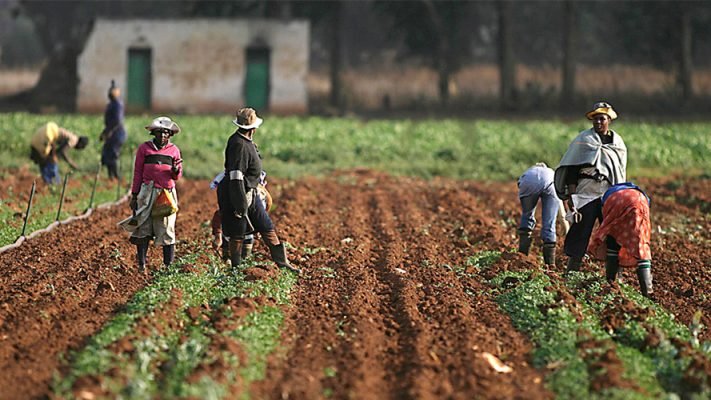
Nigerian farmers are facing a deepening crisis as bumper harvests across major crops have failed to translate into higher earnings, with prices plunging in markets nationwide.
Reports from farming communities in states such as Kaduna, Benue, and Kano show that maize, rice, and vegetable prices have dropped by as much as 40 percent compared to last year. Farmers attribute the crash to oversupply, limited access to storage facilities, and poor market linkages that leave them vulnerable to middlemen.
Agric extension officers confirm that favorable weather conditions led to strong yields this year, yet the absence of a coordinated off-take plan or price stabilization mechanism has left farmers at a loss. Many now sell below production costs just to avoid spoilage.
In Benue, maize farmers said they were forced to sell a 100kg bag for less than half of last year’s price. “We worked hard and harvested more than ever before, but we are losing money instead of earning,” said one local cooperative leader.
Experts warn that if the situation persists, farmers may reduce production next season, leading to future food shortages and increased rural poverty. They argue that without strong post-harvest systems, bumper harvests could become more of a burden than a blessing.
Agricultural economists have urged the government to revive commodity boards, expand storage and processing facilities, and strengthen farm-to-market infrastructure. These steps, they say, would help stabilize prices, protect farmers’ incomes, and ensure food security.
Analysts add that the crisis reflects a larger structural challenge in Nigeria’s agriculture sector: productivity gains that are not matched by market reforms. Without targeted policy action, the country risks discouraging its smallholder farmers—the backbone of its food system.
Reports from farming communities in states such as Kaduna, Benue, and Kano show that maize, rice, and vegetable prices have dropped by as much as 40 percent compared to last year. Farmers attribute the crash to oversupply, limited access to storage facilities, and poor market linkages that leave them vulnerable to middlemen.
Agric extension officers confirm that favorable weather conditions led to strong yields this year, yet the absence of a coordinated off-take plan or price stabilization mechanism has left farmers at a loss. Many now sell below production costs just to avoid spoilage.
In Benue, maize farmers said they were forced to sell a 100kg bag for less than half of last year’s price. “We worked hard and harvested more than ever before, but we are losing money instead of earning,” said one local cooperative leader.
Experts warn that if the situation persists, farmers may reduce production next season, leading to future food shortages and increased rural poverty. They argue that without strong post-harvest systems, bumper harvests could become more of a burden than a blessing.
Agricultural economists have urged the government to revive commodity boards, expand storage and processing facilities, and strengthen farm-to-market infrastructure. These steps, they say, would help stabilize prices, protect farmers’ incomes, and ensure food security.
Analysts add that the crisis reflects a larger structural challenge in Nigeria’s agriculture sector: productivity gains that are not matched by market reforms. Without targeted policy action, the country risks discouraging its smallholder farmers—the backbone of its food system.