Read Time:1 Minute
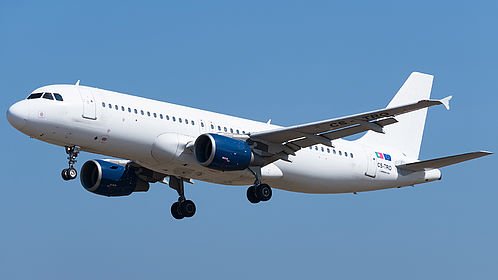
Air Peace has added a new Airbus A320 aircraft to its fleet, marking a major milestone in its expansion strategy and signaling renewed momentum for Nigeria’s tourism and aviation industries.
The privately owned carrier announced that the aircraft will strengthen its domestic and regional network, offering more routes and better flight frequencies across major Nigerian cities. With this addition, Air Peace is targeting improved comfort, punctuality, and affordability — key factors for stimulating travel and tourism growth.
According to the airline, the new Airbus A320 offers enhanced efficiency and capacity, enabling more Nigerians to explore the country’s diverse destinations. The move aligns with Air Peace’s broader goal of making air travel accessible to more citizens while supporting Nigeria’s ambition to diversify its economy through tourism.
Industry experts see this expansion as timely, especially as Nigeria works to rebuild its tourism sector post-pandemic. Improved air connectivity is expected to make local tourist destinations more reachable, from the beaches of Lagos to the cultural landmarks of Calabar and the scenic plateaus of Jos.
The Nigerian Tourism Development Authority has repeatedly stressed that infrastructure and accessibility are vital to tourism growth. Air Peace’s fleet expansion directly contributes to this goal, encouraging both local and international visitors to experience Nigeria’s attractions more conveniently.
Air Peace Chairman Allen Onyema emphasized that the investment reflects confidence in Nigeria’s aviation market. He added that the A320 acquisition supports the airline’s mission to connect underserved regions and create a more unified travel experience across the country.
Analysts say that if supported by improved airport infrastructure and tourism policies, Air Peace’s ongoing fleet growth could help unlock billions in tourism-related revenue, creating jobs in hospitality, transport, and local enterprises. The A320 arrival, they argue, is more than an airline story — it’s a signal of Nigeria’s readiness to turn aviation into a catalyst for national tourism development.
The privately owned carrier announced that the aircraft will strengthen its domestic and regional network, offering more routes and better flight frequencies across major Nigerian cities. With this addition, Air Peace is targeting improved comfort, punctuality, and affordability — key factors for stimulating travel and tourism growth.
According to the airline, the new Airbus A320 offers enhanced efficiency and capacity, enabling more Nigerians to explore the country’s diverse destinations. The move aligns with Air Peace’s broader goal of making air travel accessible to more citizens while supporting Nigeria’s ambition to diversify its economy through tourism.
Industry experts see this expansion as timely, especially as Nigeria works to rebuild its tourism sector post-pandemic. Improved air connectivity is expected to make local tourist destinations more reachable, from the beaches of Lagos to the cultural landmarks of Calabar and the scenic plateaus of Jos.
The Nigerian Tourism Development Authority has repeatedly stressed that infrastructure and accessibility are vital to tourism growth. Air Peace’s fleet expansion directly contributes to this goal, encouraging both local and international visitors to experience Nigeria’s attractions more conveniently.
Air Peace Chairman Allen Onyema emphasized that the investment reflects confidence in Nigeria’s aviation market. He added that the A320 acquisition supports the airline’s mission to connect underserved regions and create a more unified travel experience across the country.
Analysts say that if supported by improved airport infrastructure and tourism policies, Air Peace’s ongoing fleet growth could help unlock billions in tourism-related revenue, creating jobs in hospitality, transport, and local enterprises. The A320 arrival, they argue, is more than an airline story — it’s a signal of Nigeria’s readiness to turn aviation into a catalyst for national tourism development.