Read Time:1 Minute
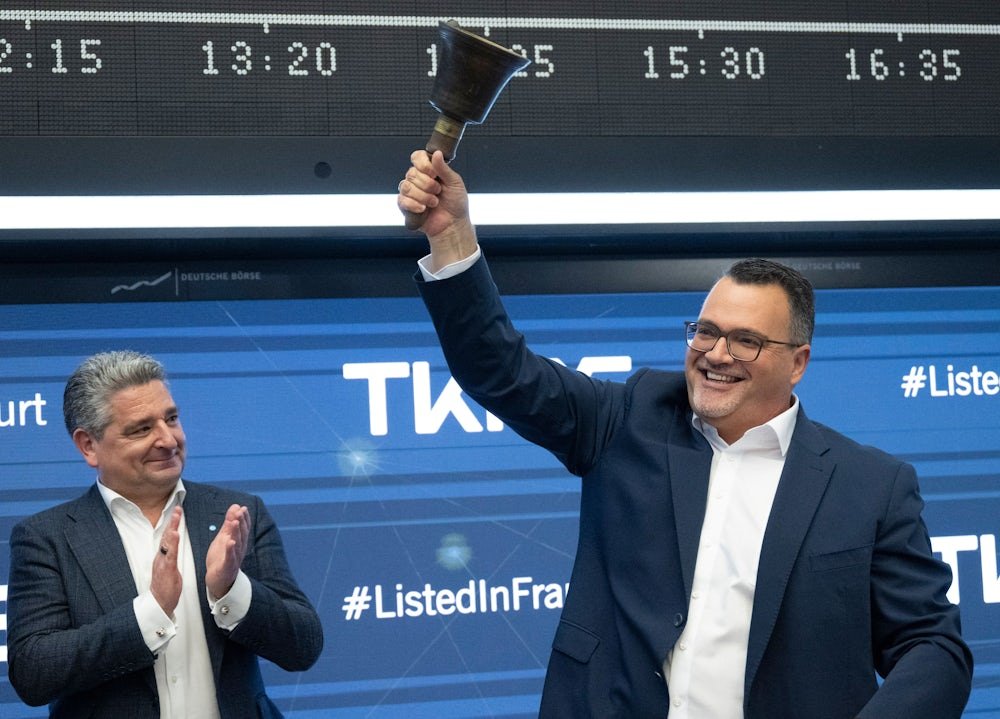
German naval shipbuilder TKMS made a spectacular debut on the Frankfurt stock exchange on October 20, 2025, as investor appetite for defence plays surged amid global security concerns.
Shares opened at about €60 and climbed as high as €81, giving TKMS a valuation of over €5 billion—nearly double pre-listing expectations. The listing follows a spin-off from parent Thyssenkrupp, which retains 51 percent ownership.
TKMS is a longtime naval platform builder, with strengths in non-nuclear submarines, frigates, and underwater systems via its Atlas Electronics division. Its order backlog has tripled over five years to €18.6 billion—a signal of accelerating demand in defence procurement.
The timing of the IPO is closely tied to rising geopolitical tensions, especially in Europe, where nations are increasing defence budgets and looking to shore up naval capacity. Analysts see TKMS as well placed to benefit as governments favor domestic defence suppliers and pure-play assets.
That said, there are challenges ahead. Thyssenkrupp renegotiated about €10 billion in parent guarantees ahead of the spin-off to reduce exposure and support the new independent structure. Whether TKMS can sustain high margins and justify its valuation will depend on successful contract wins, cost control, and long-term policy support.
Shares opened at about €60 and climbed as high as €81, giving TKMS a valuation of over €5 billion—nearly double pre-listing expectations. The listing follows a spin-off from parent Thyssenkrupp, which retains 51 percent ownership.
TKMS is a longtime naval platform builder, with strengths in non-nuclear submarines, frigates, and underwater systems via its Atlas Electronics division. Its order backlog has tripled over five years to €18.6 billion—a signal of accelerating demand in defence procurement.
The timing of the IPO is closely tied to rising geopolitical tensions, especially in Europe, where nations are increasing defence budgets and looking to shore up naval capacity. Analysts see TKMS as well placed to benefit as governments favor domestic defence suppliers and pure-play assets.
That said, there are challenges ahead. Thyssenkrupp renegotiated about €10 billion in parent guarantees ahead of the spin-off to reduce exposure and support the new independent structure. Whether TKMS can sustain high margins and justify its valuation will depend on successful contract wins, cost control, and long-term policy support.